After many bottlenecks, the range on the car market will probably increase in 2023, with higher discounts for vehicles with petrol or diesel engines. Electric cars, on the other hand, are at risk of falling out of favor with buyers.
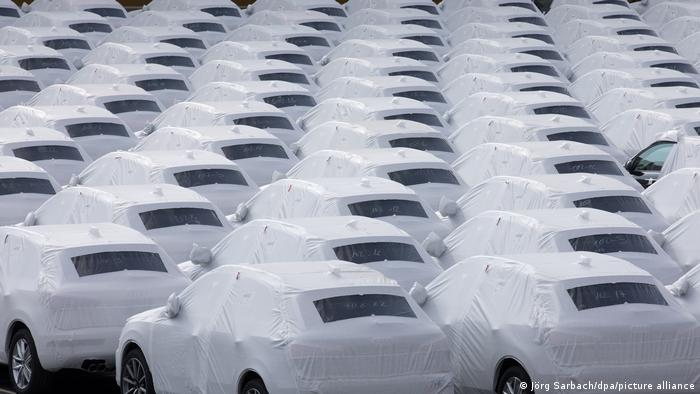
New cars at the port of Emden
The prospects for the car market in 2023 do not appear particularly rosy for German manufacturers. Ferdinand Dudenhöffer, Director of the CAR Center Automotive Research in Duisburg, speaks of a “dreary picture” with regard to the European car business.
The order books of the car manufacturers are still well filled. However, according to the expert's analysis, the overhang of new vehicle orders could only arise because supply chains were disrupted and semiconductors or other important components were missing.
Low supply with high margins
Together with the lockdowns due to the corona pandemic, a very special situation arose: All manufacturers built fewer cars than planned, and the range of new vehicles shrank across the board. What finally rolled off the assembly line was sold with high margins sold. The discount orgies normally found in the automotive industry were suddenly a thing of the past.
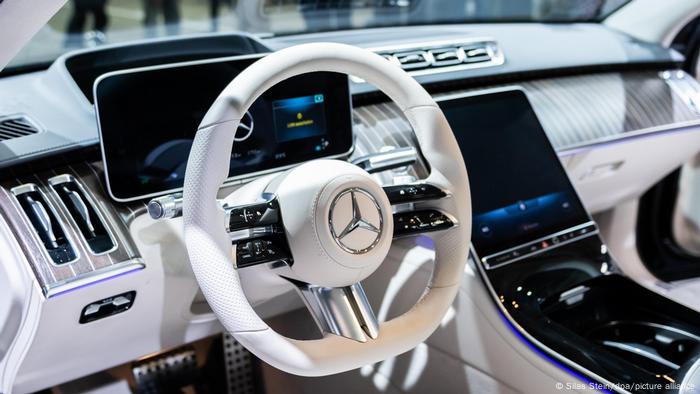
Vehicles in the premium class bring high prices Margins for the manufacturers
“That will be over from 2023,” says Dudenhöffer. “Then the order banks are empty and customers receive rarity value.” Because inflation, high energy prices and the recession are blocking the purchase of new cars. “The renaissance of car discounts will come in 2023.”
“Europe on the losing road”
Dudenhöffer sees Europe “on the losing road”. While he forecasts slight growth in new car sales for Germany, he expects shrinking sales figures for France, England, Italy, Spain and the “special case” Russia in 2023.
On the other hand, he anticipates rising car sales in Asia and North America in the new year. Because China and the USA rely on economic stimulus programs that also benefit the auto industry.
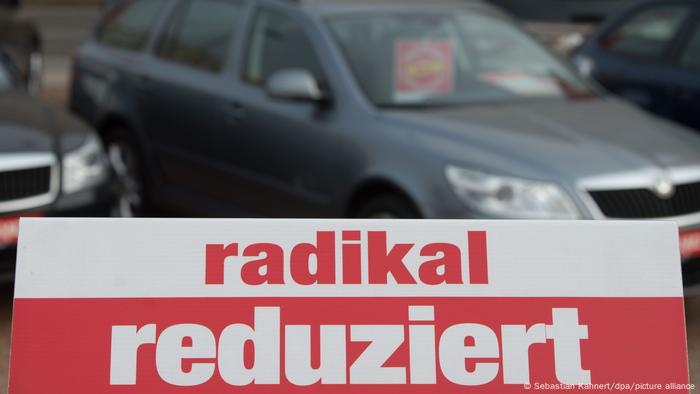
The discount orgies are about to make a comeback
There is a threat from the USA
The Biden administration's Inflation Reduction Act envisages spending around $430 billion over ten years in the United States, which should lead the country into a greener future. Among other things, the government promises every buyer of an electric car a $7,500 tax credit – provided the vehicles were assembled in the USA.
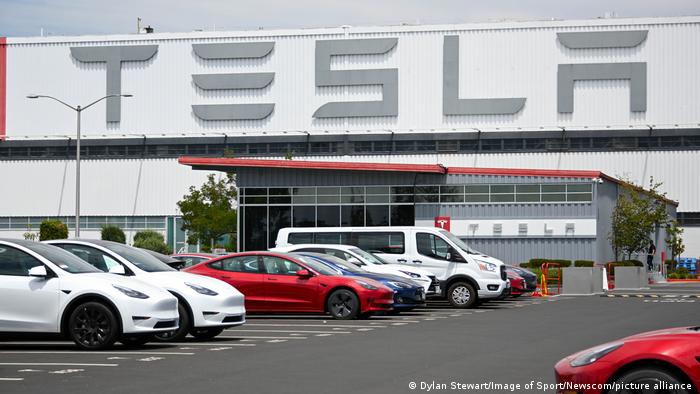 < p>The USA wants to promote electric cars more in the future
This regulation also applies to all other sectors and is probably primarily aimed at China. According to the assessment of the German Banking Association, however, it is sufficiently vague to also exclude companies from other countries, such as German car manufacturers, who would then have to set up more production sites in the USA.
Boom in electric cars
In Germany, new registrations of electric cars have recently increased significantly. Because since June 2020, newly registered purely electric vehicles with a list price of less than 40,000 euros have been subsidized with 6000 euros from the federal government and 3000 euros from the car manufacturer, i.e. a total of 9000 euros. Buyers of partially electric plug-in hybrids receive a purchase premium of up to 6750 euros.
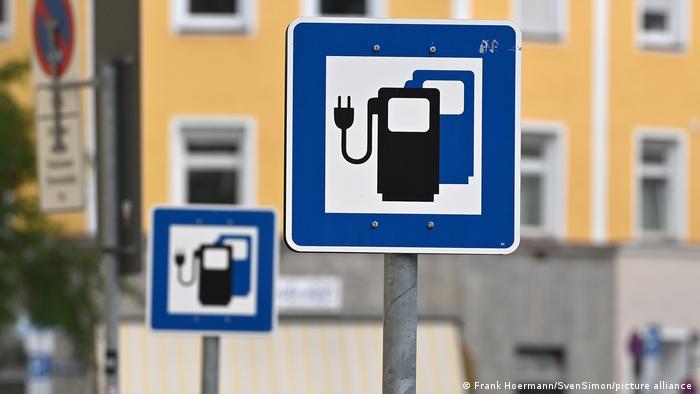
Purchase premiums will be reduced in 2023
p>
According to estimates by the CAR Institute, electric cars should account for almost 28 percent of the German car market by the end of 2022. That would be around 720,000 electric cars, of which 326,000 are plug-in hybrids and 394,000 are fully electric vehicles.
Funding will be reduced
From January 2023, the subsidy will be reduced, and electricity prices will increase drastically. Even the state-financed electricity price brake brings no relief. Because it only applies to 80 percent of consumption and charging new electric cars adds up to the electricity consumption of every household.
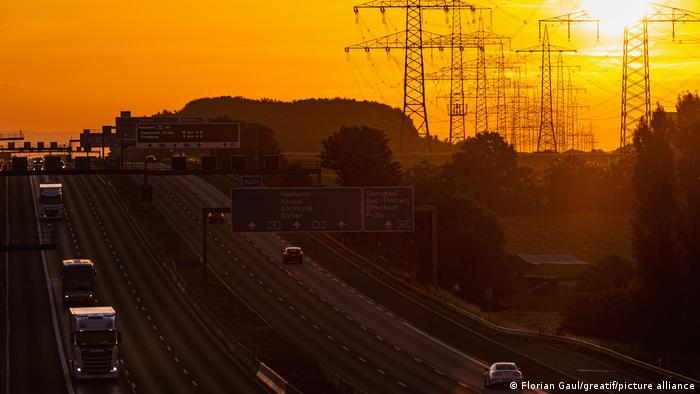
Is the turnaround in traffic in Germany at risk?
Therefore, most experts assume that significant slumps in sales of new electric cars are to be expected. An illustrious alliance of environmentalists and the automotive industry already sees the much-discussed traffic turnaround in danger.
Headwind in China
German manufacturers are also feeling harsh headwind in China, the largest car market in the world. BMW and Mercedes-Benz sell more than 30 percent of their vehicles there, and the VW group even sells over 40 percent.
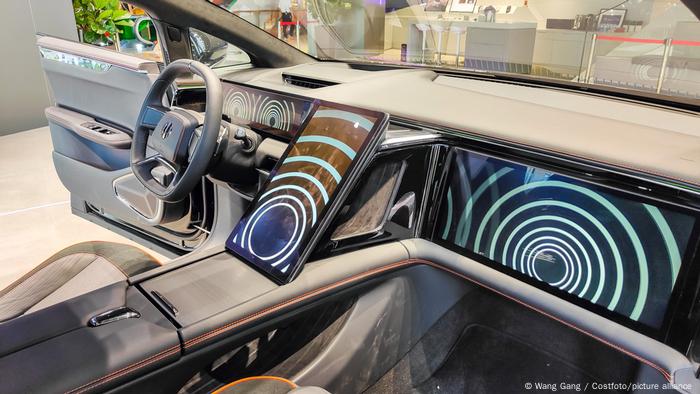
China: HiPhi X electric car overtakes Mercedes, BMW and Audi
But with electric cars, the previous successful concept of the Germans in China does not seem to work. The Handelsblatt reports that the Chinese start-up Human Horizons is pulling away from the competition with the HiPhi X model, and of all things in the upper class, where the highest profits are made. So far, this was the domain of Mercedes, BMW and Audi.
Old brand strength is losing importance
Local providers such as BYD, GAC, Li Auto and Nioder are also driving in other segments and vehicle classes Competition from Europe away. They now offer – also in the opinion of German engineers who have extensively tested Chinese brands – good quality and are relatively cheaper to get.
The brand strength of the Germans in cars with combustion engines is not transferred one-to-one in China to electric drives, believes Daniel Röska, car expert at US asset manager Alliance Bernstein – a trend that could intensify in 2023.