French billionaire Bernard Arnault has built a huge, highly lucrative luxury goods empire. But: where does he come from anyway and how did he manage to get richer than Elon Musk and Jeff Bezos?
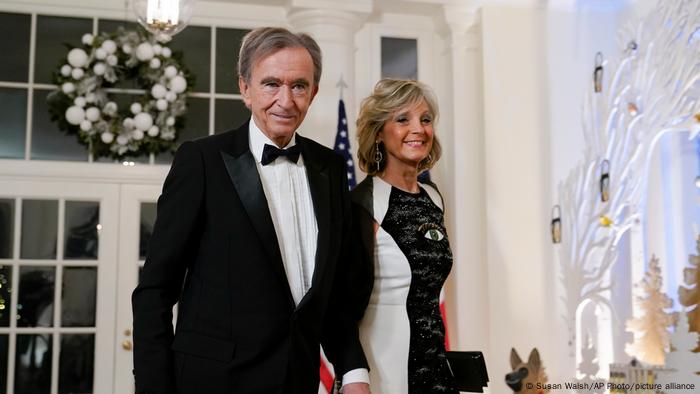
Elon Musk hasn't been the richest person on the planet for a long time. He was at the top of the ranking of the super-rich for just over a year – then he was replaced a week ago by the 73-year-old French billionaire Bernard Arnault – at least according to the relevant ranking of the business magazine Forbes. On December 14, his fortune was estimated at 180.2 billion US dollars, i.e. almost 170 billion euros. That's just under $17 billion more than Elon Musk believed.
Arnault is co-founder, chairman and CEO of LVMH Moet Hennessy Louis Vuitton, known as LVMH. His holding company is the largest shareholder and holds the majority of voting rights in the publicly traded combination.
It is not the first time that Arnault has been listed as the world's richest man, a position he held for a short time 2019, 2020 and again in 2021. Should Musk get Twitter back on the road to success in the short term, he would not hold the unofficial title for long either. Still, the Frenchman offers enough stuff for legends.
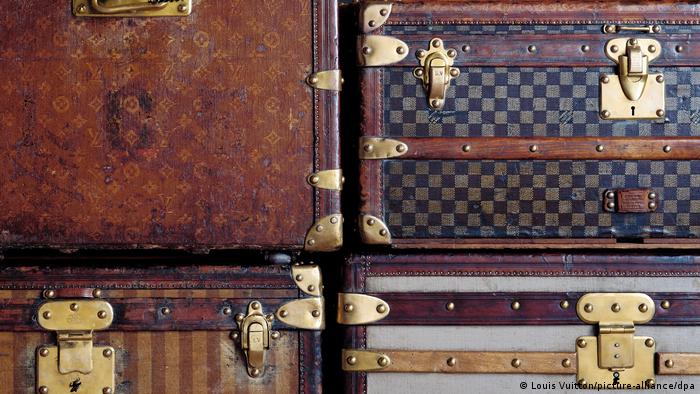
Bernhard Arnault values the tradition and history of his brands, but still modernizes them
In the realm of luxury
LVMH is a Paris-based conglomerate consisting of 75 different companies, mainly make money with drinks, fashion and cosmetics. In 2021, they enriched the group's assets by 64.2 billion euros. 20 percent more than the year before. Fashion and leather goods accounted for nearly half (48 percent) of revenue.
The group is the largest luxury goods company in the world, employs more than 175,000 people and has 5,500 branches. According to estimates by the statistics portal Statista, its market value in November 2022 was around 371 billion euros, making the company one of the most valuable in the world – ahead of Mastercard, Chevron and Nestle.
Aside from the rich list, Arnault himself is inconspicuous and little known outside of France. However, his companies are anything but inconspicuous, including traditional companies such as Bulgari, Dior, Fendi, Givenchy and Louis Vuitton. There are also retail chains such as Sephora and corporate stores in Paris. The Group's oldest brand is the Chateau d'Yquem winery, which was founded in the late 16th century.
In America, Arnault caused a stir in 2019 with the purchase of the famous jeweler Tiffany & Co for nearly $16 billion. In Germany he made headlines two years later when he bought a stake in sandal maker Birkenstock, which secured him a majority of the vote, although it's far from clear how he left the cobbler's shop for comfortable, possibly healthy, but certainly extreme inelegant sandals could forge a luxury company.
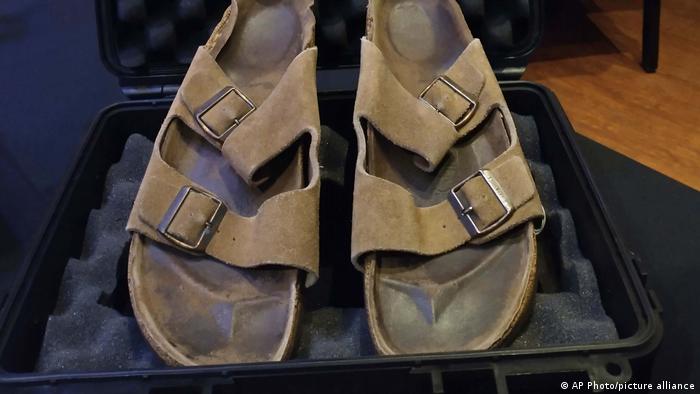
Arnauilt's “German” company: the sandal manufacturer Birkenstock. How is it supposed to fit into the LVMH luxury universe?
How to conjure up billions out of pockets
Arnault was born in northern France, near the Belgian border. After graduating from an engineering school, he joined his father's company where he focused on the development of real estate projects and soon rose to the helm.
In 1984, he took over a bankrupt company that included Christian Dior and a chain of stores, Le Bon Marche. That was his foray into the luxury market. In 1987 he founded the luxury brand group LVMH with the further acquisition of Louis Vuitton and Moet Hennessy. He soon brought other companies into the group – also through hostile takeovers. In 1989 he became CEO, a post he still holds today.
After becoming sole boss, he embarked on a long, billion-euro shopping spree, absorbing one company after another along the way. Many of these companies were poorly run and outdated. Arnault brought a breath of fresh air to the old stores, installed new management and hired young designers to shake things up.
Broad base, but still exclusive
Called only B.A. internally, Arnault is also considered the Lord of the Logos. That's what fashion critic Suzy Menkes called him in a 1999 portrait for the International Herald Tribune. “His aim is to be contemporary and modern, his companies speak a universal language,” she wrote at the time. “Arnault insists that maintaining the individuality and uniqueness of the brands is the company's highest goal – with a streamlined group structure.” This strategy has left each individual brand with a level of independence while at the same time allowing them to be professionalized.
The group is geared towards expansion, particularly in its largest market, Asia, but also in the United States and Europe. Its glossy advertising is designed to attract and retain young shoppers – along with smaller and cheaper items such as belts or hats with coveted and admired logos.
Arnault believes the opportunities of the internet are just as important . Everything is available online – including LVMH itself, without the brand losing any of its exclusivity. Many brands now have opulent websites and online shops and are no longer afraid to post prices there.
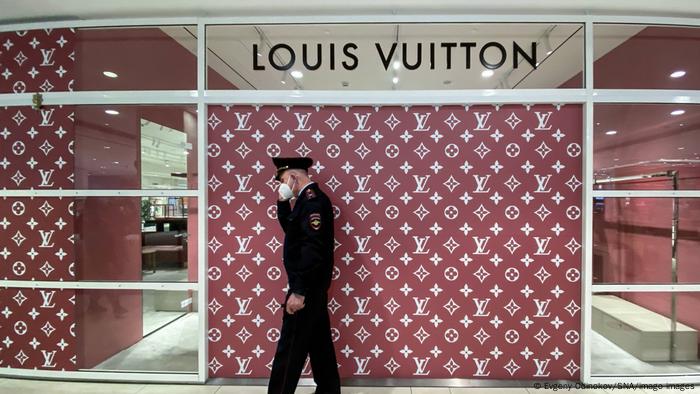
Always up to date: After the attack on Ukraine, LVMH closed its branches in Russia
Plan for the future
Today LVMH is a family business. Each of the five children works in different tasks in the group. Always immaculately dressed, the Frenchman with thick gray hair continues to live a very secluded and private life. His colleagues don't talk much about him either. What is known: He is an avid tennis player, loves music and collects art.
He also owned the Phillips de Pury auction house for a number of years. The Louis Vuitton Foundation opened in Paris in 2014. Designed by Frank Gehry, the contemporary art museum houses Arnault's own collection and will later be donated to the city of Paris. He's also given millions to charity and helped rebuild Notre Dame Cathedral.
The big question is: what's next? Which of his children will take over the company? Will it be one person or will they share the responsibilities? Is the corporation still on the prowl? Chanel, Hermes, Armani and some other competitors are still active in the market. Arnault's strategy to create a family-run luxury brand empire has also inspired others, such as Richemont and Kering. They may be LVMH competitors – but they are at odds in an area where Arnault wrote the rules.
This post was adapted from English.